
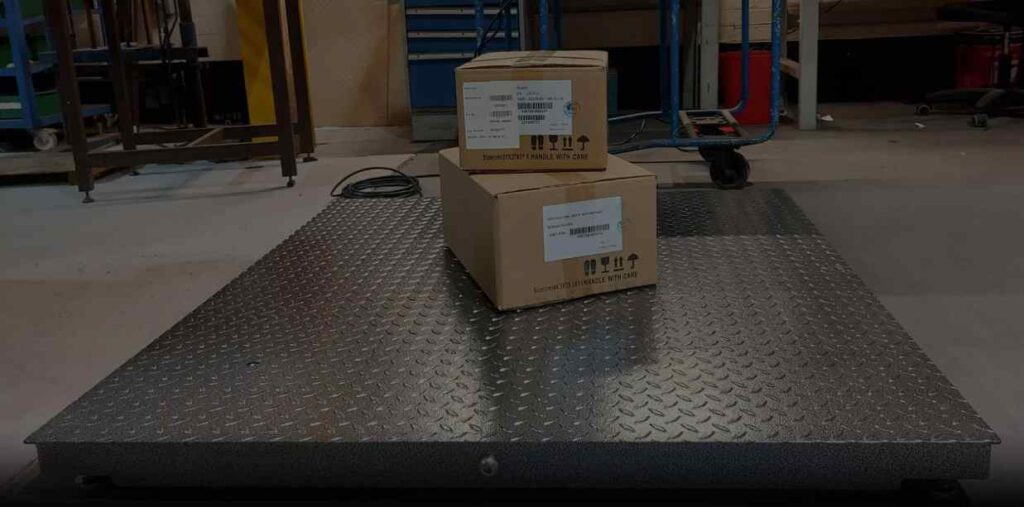
In busy warehouses and manufacturing facilities, accuracy and durability are critical for daily operations. Choosing the right floor scale ensures precise weight measurements while handling heavy loads with ease.
From shipping departments to production lines, floor scales help businesses maintain compliance, improve workflow, and reduce costly errors. Investing in the right equipment can significantly improve productivity and long-term performance.
What Is a Floor Scale?
A floor scale is a heavy-duty weighing platform designed to sit directly on the floor, allowing easy loading of pallets, containers, and bulk materials. It is commonly used in industrial environments where large or heavy items must be weighed quickly and accurately.
These scales are built with strong steel platforms and high-capacity load cells to withstand constant use. Many models also include digital indicators for clear weight readings and system integration.
Common Applications
Floor scales are widely used across multiple industries because of their flexibility and durability.
They are commonly found in:
- Warehouses for pallet weighing
- Manufacturing plants for raw material measurement
- Shipping and receiving departments
- Agriculture facilities for produce and feed
- Recycling centers for scrap materials
Their simple design allows forklifts and pallet jacks to load items directly onto the platform, saving time and effort.
Key Features to Consider
Before purchasing a floor scale, it is important to evaluate features that match your operational needs. Not all scales are built the same, and choosing the right specifications can improve efficiency.
Important features include:
- High weight capacity for heavy industrial loads
- Non-slip diamond plate surface for safety
- Ramps for easy loading and unloading
- Digital display with clear readability
- Overload protection to prevent damage
- Connectivity options for data tracking
Some advanced models also offer wireless communication and integration with inventory management systems. These features help reduce manual entry errors and improve record keeping.
Benefits of Using a Floor Scale
Installing a floor scale offers several practical advantages for industrial operations. The most noticeable benefit is improved accuracy when weighing heavy items, which reduces discrepancies in shipping and inventory.
Another major advantage is efficiency. With a low-profile platform, workers can quickly load and unload materials without complicated setups. This speeds up workflow and minimizes downtime.
Additionally, durable construction ensures long-term reliability. Industrial environments can be demanding, but a well-built floor scale withstands daily wear and tear while maintaining consistent performance.
Maintenance and Best Practices
Proper maintenance extends the lifespan of your floor scale and ensures ongoing accuracy. Regular inspection helps identify issues before they become costly repairs.
To maintain optimal performance:
- Keep the platform clean and free of debris
- Calibrate the scale according to manufacturer guidelines
- Inspect load cells and cables for damage
- Avoid exceeding the maximum weight capacity
Routine care not only protects your investment but also ensures compliance with industry standards.
Conclusion
A floor scale is more than just a weighing device. It is a vital tool for improving operational efficiency, safety, and accuracy. Whether in warehousing, manufacturing, or agriculture, this equipment supports smooth daily operations.
By selecting the right features and maintaining it properly, businesses can rely on their floor scale for consistent performance and long-term value.