
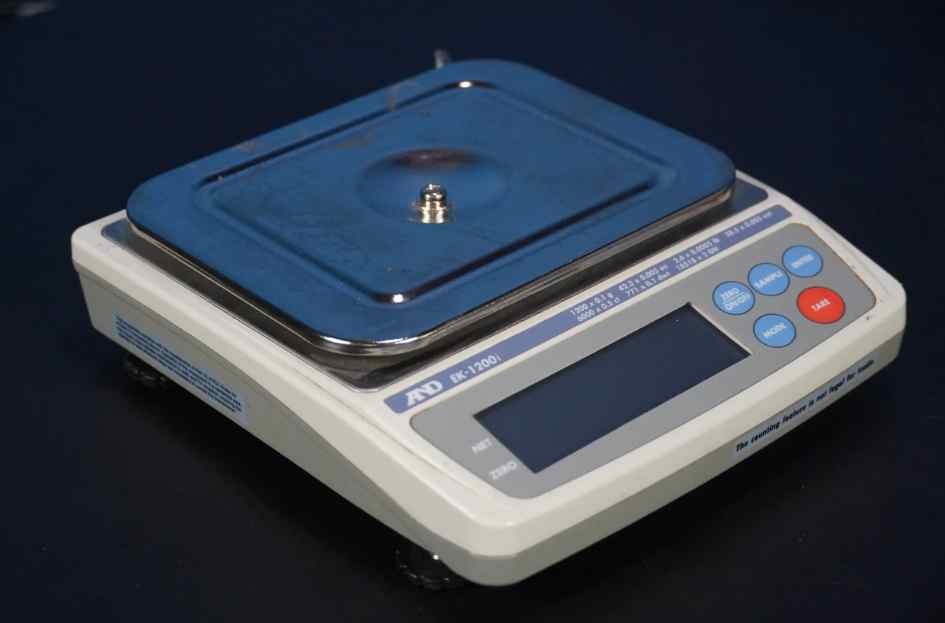
If you sell products by weight, accuracy isn’t optional it’s the law. A NTEP-approved balance scale ensures your weighing equipment meets strict national standards for commercial use. The bottom line: without NTEP certification, you risk failed inspections, fines, and lost customer trust.
Two short truths decision-makers learn quickly: compliance protects revenue, and precision protects reputation. An uncertified scale might seem like a small shortcut, but it can create major operational and legal headaches.
What is an NTEP-approved balance scale?
NTEP stands for the National Type Evaluation Program. It certifies that a scale meets the standards set by the National Conference on Weights and Measures (NCWM).
In simple terms, an NTEP-approved balance scale has been tested for:
- Accuracy under various load conditions
- Durability in commercial environments
- Compliance with Handbook 44 requirements
In my experience, businesses often misunderstand this. NTEP approval is not just about precision. It’s about legal approval for trade.
Why Does NTEP Certification Matter?
If you charge customers based on weight, your scale must be certified in most states. Inspectors routinely check for NTEP compliance during audits.
The mistake I see most often is purchasing a high-precision laboratory balance that isn’t certified for commercial transactions. Even if it’s accurate, it may still fail inspection.
Here’s What Happens Without Certification
- You may fail a state weights and measures inspection
- You could face fines or forced equipment replacement
- Customer disputes become harder to defend
An NTEP-approved balance scale removes these risks immediately.
Who Needs an NTEP-Approved Balance Scale?
Not every business requires certification, but many do. If your scale determines pricing, you likely need NTEP approval.
Common industries include:
- Retail and grocery operations
- Cannabis dispensaries
- Jewelry stores
- Food production facilities
- Farmers markets
- Chemical and ingredient suppliers
If you’re unsure, check your state’s weights and measures requirements. When in doubt, certified is safer.
What Features Should You Look For?
Choosing the right model goes beyond certification.
-
Accuracy and Capacity
Select a balance that matches your product weight range. High readability (such as 0.01g or 0.1g) matters in industries like cannabis or jewelry.
-
Build Quality
Look for durable construction, overload protection, and stable weighing platforms. In busy environments, ruggedness matters just as much as precision.
-
Calibration and Ease of Use
Digital calibration features simplify maintenance. Some models also offer counting modes and percentage weighing for added efficiency.
In my experience, investing in user-friendly interfaces reduces operator errors significantly.
How Does an NTEP-Approved Scale Protect Your Bottom Line?
Accurate, certified measurements protect you in disputes. If a customer questions weight accuracy, documented compliance strengthens your defense.
It also builds trust. Customers are more confident when they know your equipment meets national standards.
Operationally, certified scales reduce reweighing, minimize product loss, and improve transaction speed. Over time, that efficiency translates directly into higher profitability.
Final Thoughts: Compliance Is a Smart Investment
An NTEP-approved balance scale isn’t just about passing inspections; it’s about running a responsible, trustworthy operation. When you sell by weight, your scale is part of your brand.
Review your current equipment. If it’s not certified for trade, upgrading should be a priority, not an afterthought. Accuracy builds trust. Certification protects it.